Essential Vehicle Care Practices for Long-Lasting Appearance and Protection
Every vehicle is exposed to daily environmental conditions that gradually affect its appearance and overall condition. Dust, road grime, sunlight, rain, insects, and changing temperatures all leave their mark over time. Although regular washing removes visible dirt, maintaining a vehicle’s finish and interior requires a more complete approach.
Vehicle detailing focuses on carefully cleaning, restoring, and protecting different parts of an automobile. Rather than concentrating only on visible surfaces, detailing addresses areas that are often overlooked during routine maintenance. This process helps preserve materials, improve cleanliness, and support the vehicle’s condition throughout its lifespan.
This guide explores the benefits of auto detailing, explains the different stages involved, discusses environmental challenges, and provides practical maintenance tips for keeping a vehicle looking its best.
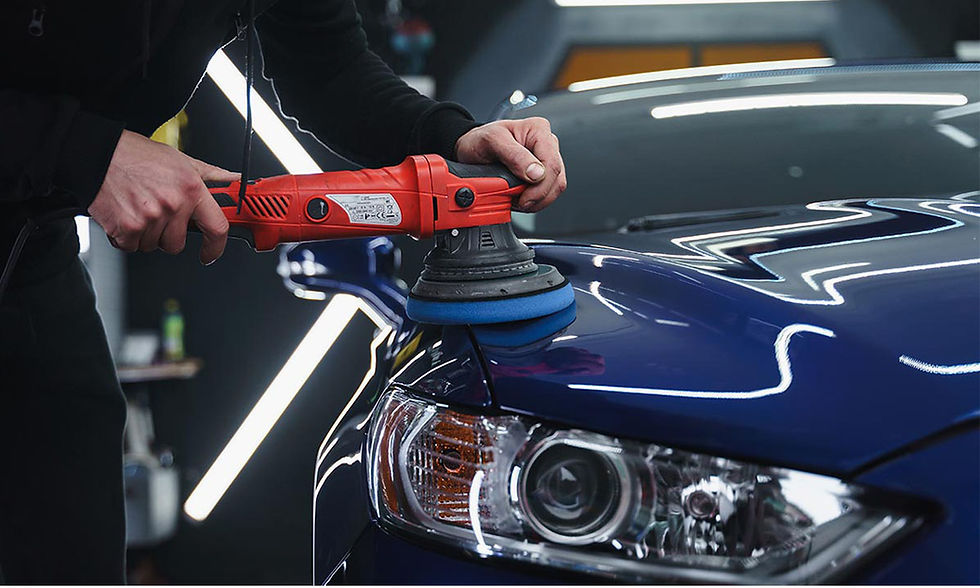
The Difference Between Basic Cleaning and Complete Vehicle Care
Many people think washing and detailing are the same, but they serve different purposes.
A standard wash mainly removes surface dirt from the exterior. Detailing involves a much more detailed cleaning process that includes both the inside and outside of the vehicle while paying close attention to smaller areas and protective treatments.
A complete detailing routine often includes:
Exterior washing
Paint surface cleaning
Wheel and tire care
Interior vacuuming
Dashboard cleaning
Upholstery treatment
Glass cleaning
Protective finishing products
Each step contributes to preserving both appearance and functionality.
Environmental Factors That Affect Every Vehicle
A vehicle’s condition depends greatly on the environment in which it is driven and parked.
Heat and Sunlight
Extended exposure to sunlight may gradually affect paint, rubber seals, plastic trim, and dashboard materials. Parking in covered or shaded areas may help reduce prolonged exposure.
Dust and Airborne Particles
Dust settles continuously on vehicle surfaces. When mixed with moisture or rubbed during improper washing, these particles may create fine scratches.
Rain and Road Contaminants
Rainwater can leave behind minerals and environmental pollutants after drying. Roads may also introduce mud, oils, and debris that collect around lower body panels.
Everyday Interior Use
Passengers, food, beverages, pets, and daily commuting contribute to dirt accumulation inside the cabin. Regular cleaning helps preserve fabrics, carpets, and interior trim.
Exterior Care Essentials
Exterior detailing involves multiple stages designed to clean and protect painted surfaces.
Safe Washing Techniques
Using automotive-specific cleaning products and proper washing methods helps reduce the possibility of scratching paint while removing dirt effectively.
Paint Surface Cleaning
Some contaminants remain attached even after washing. Additional cleaning methods help prepare painted surfaces before protection is applied.
Wheel Maintenance
Wheels experience constant exposure to brake dust, dirt, and road debris. Regular cleaning helps maintain their appearance while reducing stubborn buildup.
Window Cleaning
Clear windows improve visibility and complete the overall appearance of a well-maintained vehicle.
Interior Maintenance for Everyday Comfort
Interior cleanliness contributes to both comfort and long-term preservation.
Important maintenance tasks include:
Vacuuming carpets
Cleaning seats
Wiping consoles
Dusting air vents
Cleaning door panels
Maintaining floor mats
Cleaning interior windows
Keeping these areas clean creates a more enjoyable driving environment while reducing material wear.
Protective Treatments That Support Long-Term Care
Protective products are often used after cleaning to help maintain vehicle surfaces.
These treatments may provide benefits such as:
Water resistance
Easier cleaning
Reduced dirt adhesion
Improved paint appearance
Additional protection from environmental contaminants
Although protection gradually wears away, regular maintenance helps preserve these benefits.
Creating a Practical Maintenance Schedule
A consistent routine helps prevent dirt and contaminants from accumulating excessively.
Many vehicle owners find it useful to:
Wash the exterior regularly.
Vacuum the interior frequently.
Inspect painted surfaces for contaminants.
Clean wheels before buildup becomes excessive.
Remove bird droppings promptly.
Wipe interior surfaces to reduce dust.
Developing simple habits often reduces the need for more intensive cleaning later.

Local Driving Conditions and Their Impact
Driving conditions differ from one region to another, and these differences often influence vehicle maintenance requirements.
Individuals researching auto detailing austin tx frequently want to know how local climate and driving environments affect routine vehicle care. High temperatures, extended sunlight, construction dust, seasonal pollen, and frequent commuting may cause vehicles to collect contaminants more quickly. Taking these environmental factors into account allows owners to build maintenance routines that help preserve paint finishes, interior materials, and overall cleanliness throughout the year.
Common Mistakes That Reduce Cleaning Effectiveness
Even with good intentions, certain habits may reduce the effectiveness of vehicle maintenance.
Examples include:
Delaying removal of contaminants
Using unsuitable household cleaners
Cleaning with dirty towels
Forgetting less visible areas
Ignoring wheel maintenance
Allowing spills to remain inside the cabin
Avoiding these practices helps maintain better long-term results.
Long-Term Benefits of Consistent Vehicle Care
Maintaining a regular detailing routine provides advantages beyond appearance.
It can contribute to:
Better preservation of painted surfaces
Cleaner interior materials
Improved driving comfort
Easier routine maintenance
Reduced buildup of contaminants
Better overall vehicle condition
Consistent care often requires less effort than restoring neglected surfaces after extended periods.
Conclusion
Vehicle detailing plays an important role in preserving both the appearance and condition of an automobile. By paying attention to environmental factors, following proper cleaning techniques, and maintaining a consistent care routine, vehicle owners can protect interior and exterior surfaces while supporting long-term durability. Simple maintenance habits performed regularly help keep a vehicle clean, comfortable, and well maintained throughout every season.
Comments