A Homeowner’s Guide to Choosing the Right Ceiling Fan for Better Comfort
Ceiling fans are a practical addition to many homes because they help improve air circulation and create a more comfortable indoor environment throughout the year. While they do not change the actual room temperature, they help move air more efficiently, making living spaces feel cooler during warm weather and assisting with heat distribution during colder months.
Modern ceiling fans are available in many sizes, styles, and features to suit different rooms and ceiling heights. Selecting the right fan and placing it in an appropriate location can improve airflow while complementing the design of the space.
This guide explains how ceiling fans work, the different types available, important installation considerations, routine home maintenance practices, and factors that influence their overall performance.

How Ceiling Fans Improve Indoor Airflow
A ceiling fan rotates its blades to move air throughout a room. This continuous circulation creates a gentle breeze that can improve comfort without relying entirely on heating or cooling systems.
During warmer months, fans usually rotate in one direction to create a cooling effect.
During colder months, many fans can reverse direction at a lower speed to help distribute warm air that naturally rises toward the ceiling.
Proper airflow contributes to a more balanced indoor environment throughout the year.
Selecting the Appropriate Fan Size
Choosing the correct fan size is important because room dimensions affect airflow efficiency.
Smaller rooms generally require compact fans, while larger living areas benefit from wider blade spans that move greater volumes of air.
Factors commonly considered include:
Room size
Ceiling height
Blade diameter
Mounting style
Airflow capacity
Selecting a fan that matches the room helps improve performance and comfort.
Common Types of Ceiling Fans
Different fan designs are available for different locations within a home.
Standard Ceiling Fans
These models are commonly installed in bedrooms, living rooms, dining rooms, and family areas with standard ceiling heights.
Low-Profile Fans
Low-profile models are designed for rooms with lower ceilings where additional clearance is necessary.
Downrod-Mounted Fans
Homes with higher ceilings often use downrods to position the fan at a more effective height for air circulation.
Outdoor Ceiling Fans
Covered patios, porches, and similar outdoor areas may use fans specifically manufactured to withstand increased moisture and humidity.
Each style is intended for particular environmental conditions and ceiling configurations.
Important Safety Considerations
Proper planning contributes to safe ceiling fan operation.
Several factors should always be considered:
Adequate ceiling support
Correct electrical connections
Proper blade clearance
Secure mounting hardware
Appropriate switch compatibility
Routine inspections help ensure these components continue functioning safely over time.
Features Found on Modern Ceiling Fans
Many newer ceiling fans include additional features that improve convenience and efficiency.
Examples include:
Multiple speed settings
Reversible motor direction
Integrated lighting
Remote controls
Wall-mounted controls
Energy-efficient motors
Quiet operation
These features allow homeowners to customize airflow according to seasonal needs and personal preferences.
Routine Care That Helps Maintain Performance
Like many household fixtures, ceiling fans benefit from regular maintenance.
Helpful care practices include:
Dusting fan blades frequently.
Tightening visible hardware.
Checking for unusual movement.
Cleaning light fixtures if present.
Inspecting remote-control batteries.
Verifying proper blade balance.
Routine cleaning also prevents excessive dust from circulating throughout the room.
Common Reasons Ceiling Fans May Perform Poorly
Several issues can affect airflow or operation over time.
Examples include:
Dust buildup on blades
Loose mounting brackets
Unbalanced blades
Incorrect seasonal rotation
Worn electrical components
Improper fan size for the room
Periodic inspection helps identify these issues before they become larger maintenance concerns.
Household Conditions That Influence Fan Performance
Every home has different airflow requirements based on its design and environment.
Ceiling height, room dimensions, window placement, insulation, and seasonal weather all influence how effectively a fan circulates air. Homes located in warmer climates may rely on ceiling fans more frequently throughout the year, while seasonal temperature changes can also affect airflow needs.
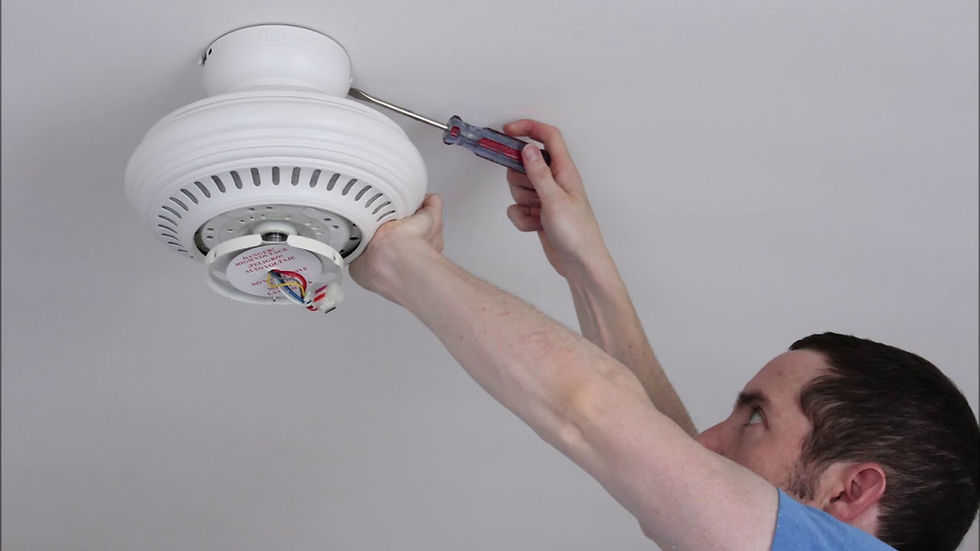
People researching fan installation Santa fe, NM often seek information about selecting suitable ceiling fans for different room sizes, ceiling heights, and household layouts. Learning about these factors helps homeowners choose equipment that supports efficient air circulation while complementing the design and function of each room.
Tips for Improving Indoor Air Circulation
Ceiling fans perform best when combined with other simple household practices.
Helpful habits include:
Keeping air vents unobstructed.
Opening windows during suitable weather.
Closing curtains during intense afternoon sunlight.
Cleaning HVAC filters regularly.
Rearranging furniture that blocks airflow.
Using appropriate fan speeds for different seasons.
Together, these practices help improve comfort throughout the home.
Advantages of Properly Planned Ceiling Fan Use
Using ceiling fans effectively offers several practical benefits.
These include:
Improved air circulation
Better indoor comfort
More even air distribution
Support for seasonal temperature management
Reduced stagnant air
Increased comfort in occupied rooms
When used as part of a broader home maintenance routine, ceiling fans contribute to a more comfortable living environment.
Conclusion
Ceiling fans provide an effective way to improve indoor airflow while supporting year-round comfort. Selecting an appropriately sized fan, following safe installation practices, and performing regular maintenance all contribute to reliable performance. Combined with good household ventilation habits, ceiling fans help create comfortable living spaces while supporting efficient air circulation throughout the home.
Comments