A Detailed Look at Metal Barriers for Durable Property Boundaries
Metal fencing has been used for decades in residential, commercial, institutional, and public settings because of its strength, distinctive appearance, and ability to create clearly defined boundaries. Among the available metal options, iron remains associated with substantial construction and traditional architectural designs.
A well-designed iron fence can provide a combination of structure and visual character. However, its long-term performance depends on several factors, including the quality of the material, construction details, surface protection, installation conditions, and ongoing maintenance.
Unlike lightweight fencing materials, iron can be considerably heavier, making foundation preparation and proper support particularly important. Environmental exposure also deserves attention because untreated or damaged iron surfaces can develop corrosion when exposed to moisture and oxygen.
This guide explores the characteristics of iron fencing, suitable applications, structural considerations, corrosion prevention, maintenance practices, and factors that influence long-term performance.
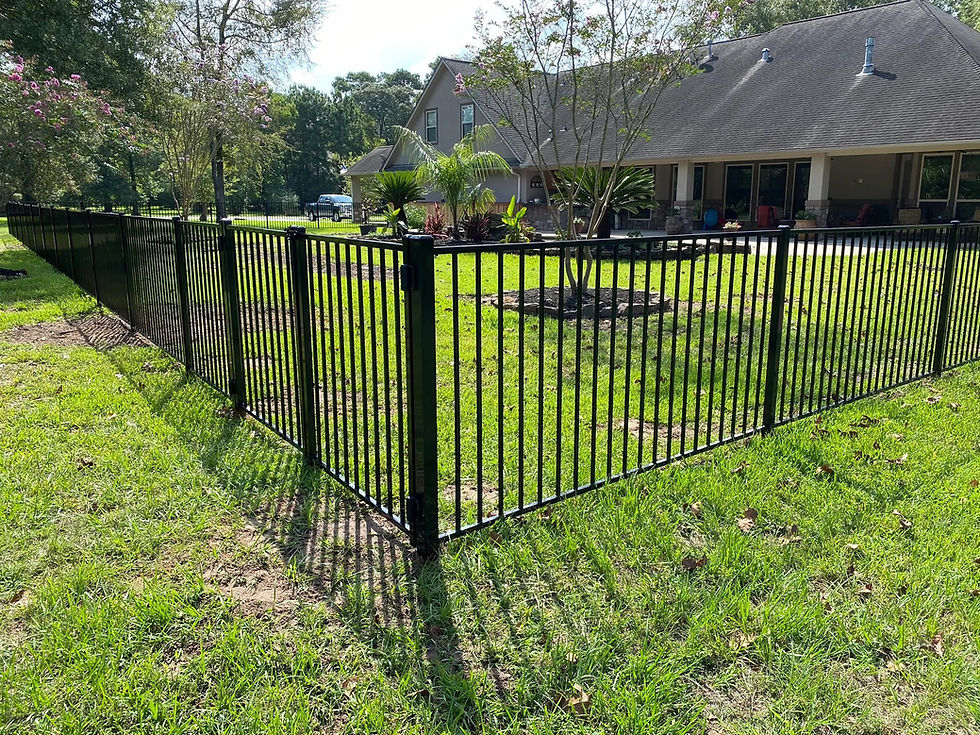
What Makes Iron Fencing Different?
Iron is a dense and strong material that can provide substantial structural support. Its traditional appearance also makes it suitable for properties where the fence is intended to complement existing architecture.
Common characteristics include:
High structural strength
Substantial weight
Long service potential with proper care
Traditional visual appeal
Adaptability to decorative designs
Resistance to physical impact when properly constructed
These characteristics make iron suitable for applications where both durability and appearance are important.
Where Metal Fencing Can Be Used
Iron fencing can serve several different purposes.
Residential Boundaries
It can define front yards, driveways, gardens, and other exterior areas.
Entrance Areas
Decorative metal fencing can help create clearly marked entrances around residential or institutional properties.
Gardens and Landscapes
Open metal designs can provide a boundary without completely hiding landscaping from view.
Institutional Properties
Schools, public buildings, and other facilities may use substantial fencing to organize exterior spaces.
Historic or Traditional Architecture
Decorative iron designs can complement buildings that feature traditional architectural elements.
The appropriate design depends on the property's layout and functional requirements.
Structural Design Considerations
The strength of an iron fence depends on more than the metal used for the visible panels.
The supporting structure is equally important.
Important components may include:
Posts
Rails
Vertical bars
Fasteners
Gate hardware
Foundation areas
Posts must remain stable under the weight of the fence and environmental forces. Gates can place additional stress on their supporting posts because they move repeatedly and may be heavier than gates made from other materials.
Why Foundation Conditions Matter
Heavy fencing requires stable support.
Ground conditions can vary considerably from one property to another. Soil composition, drainage, slopes, and seasonal movement may influence the stability of fence foundations.
Poor drainage around posts can contribute to long-term problems, while unstable soil may allow sections of fencing to shift.
Before construction, evaluating the ground conditions helps determine how the fence should be supported.
The Role of Protective Finishes
Iron can develop rust when exposed to moisture and oxygen. Protective finishes create a barrier between the metal and environmental exposure.
Common approaches may include:
Priming
Painting
Powder coating
Regular touch-up work
Removing surface rust
The condition of the protective finish should be monitored periodically. Scratches, chips, and exposed areas can provide locations where corrosion begins.
How Weather Affects Iron Fencing
Outdoor metal structures experience continuous environmental exposure.
Rain and Humidity
Moisture is one of the primary factors associated with iron corrosion.
Snow
Snow can remain against lower fence sections for extended periods, increasing moisture exposure.
Sunlight
Sunlight can gradually affect exterior coatings and painted finishes.
Temperature Changes
Repeated expansion and contraction can place stress on coatings and certain connections.
Regular inspections help identify weather-related changes.
Preventing Corrosion
Corrosion prevention is an ongoing process rather than a one-time task.
Helpful practices include:
Inspecting the fence regularly.
Cleaning dirt and debris.
Touching up damaged coatings.
Removing surface rust promptly.
Keeping drainage areas clear.
Monitoring areas where water tends to collect.
The earlier corrosion is identified, the easier it is generally to manage.
Cleaning Metal Fencing
Routine cleaning removes dirt and contaminants that can remain on the surface.
A basic cleaning process may involve:
Removing loose debris.
Washing the surface with an appropriate solution.
Rinsing thoroughly.
Allowing the fence to dry.
Inspecting for coating damage.
Harsh abrasive tools should be avoided when they may damage protective finishes.
Gates Require Additional Attention
Gates experience more movement than fixed fence sections.
Regular checks should include:
Hinge condition
Latch operation
Alignment
Post stability
Fasteners
Surface corrosion
A gate that becomes difficult to open or close may indicate alignment or hardware issues that should be addressed before they worsen.
Safety Considerations
The design of an iron fence should also take safety into account.
Important considerations include:
Appropriate spacing between bars
Smooth edges
Secure gate operation
Stable posts
Properly maintained surfaces
Visibility around entrances
Decorative features should not create unnecessary hazards for children, pedestrians, pets, or other people using the property.
Maintenance in Changing Seasonal Conditions
Seasonal inspections provide opportunities to identify different types of problems.
Spring inspections can reveal damage associated with winter weather.
Summer is useful for cleaning and coating maintenance.
Autumn provides an opportunity to clear leaves and organic debris.
Winter inspections can help identify issues caused by freezing temperatures, snow, or moisture.
A seasonal approach makes maintenance easier to organize.

Metal Fencing and Local Conditions
Property owners researching Iron fence installation Brockton, MA often seek information about how metal fencing performs under changing seasonal conditions and what maintenance is necessary to preserve its appearance and structural condition. Evaluating moisture exposure, soil stability, protective coatings, gate hardware, and drainage can help support long-term fence performance.
Signs That a Fence Needs Attention
Several visible signs may indicate that maintenance is necessary.
These can include:
Rust spots
Peeling paint
Damaged coatings
Loose posts
Misaligned gates
Broken fasteners
Surface damage
Addressing small issues early can help prevent more extensive deterioration.
Long-Term Care Strategies
A long-lasting iron fence benefits from consistent maintenance rather than occasional major repairs.
A practical care routine may include:
Periodic washing
Surface inspections
Coating checks
Hardware inspection
Rust removal
Vegetation control
Drainage monitoring
These activities help preserve both appearance and functionality.
Conclusion
Iron fencing combines substantial structural strength with a traditional appearance that can complement many types of properties. Its long-term performance depends on stable foundations, appropriate protective finishes, proper drainage, and consistent maintenance. Regular inspections can identify corrosion, hardware problems, coating damage, and alignment issues before they become more serious. With appropriate care, iron fencing can remain a durable and visually distinctive property boundary for many years.
Comments